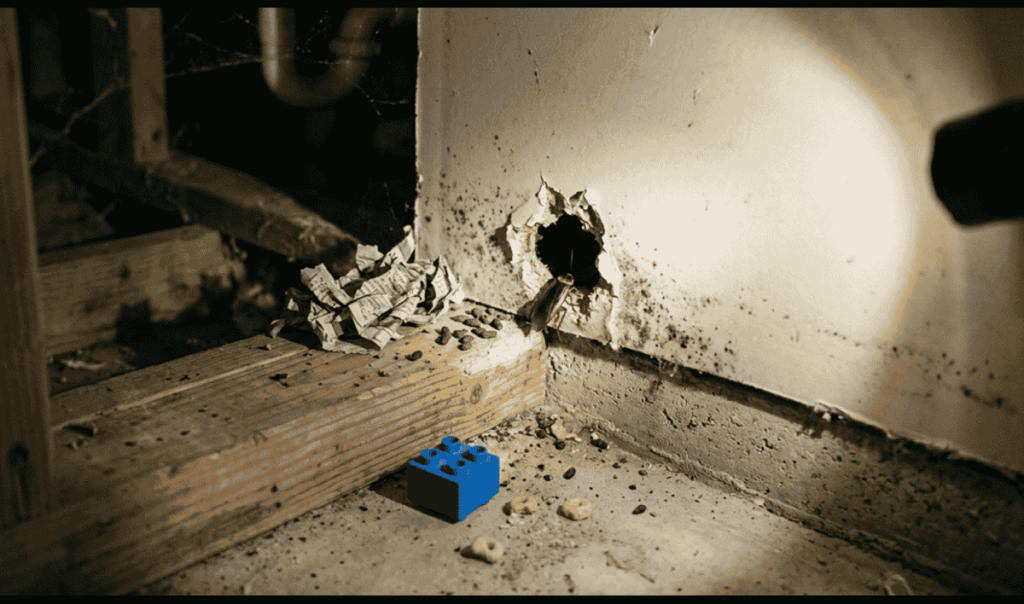
Untreated pest infestations in Fort Collins homes are far more dangerous than most homeowners realize. Most people spot a mouse scurrying across the kitchen floor or notice a cockroach near the pantry and chalk it up to a minor nuisance. The reality is something far more serious. What lives in your walls, crawlspace, or basement can quietly compromise the health of every person under your roof, long before you ever see a single visible sign.
Fort Collins sits at the foothills of the Rocky Mountains, and the area’s mix of open spaces, foothills, and changing weather patterns creates ideal conditions for both insects and wildlife to seek shelter indoors. That geographic reality means Fort Collins homeowners face a broader range of pest pressures than residents of many other Colorado cities. When those pressures go unaddressed, the health consequences can be severe.
Why Fort Collins Homes Are Especially Vulnerable
Fort Collins is known for its beautiful parks and natural spaces, which are a staple of this part of Colorado. But closeness to nature also has a drawback: it means properties overlap with the natural habitats of many kinds of pests.
Northern Colorado’s varied climate, with cold winters, warm summers, and fluctuating spring and fall conditions, creates predictable patterns in pest activity. Rodents press inward during the colder months seeking warmth, while mosquitoes ticks, and stinging insects surge through spring and summer. This four season cycle of pest activity means there is no truly “off season” for infestations in this region. The risk is year round.
What makes this especially concerning from a health standpoint is not the pests you see. It is the ones quietly multiplying behind your drywall, under your subfloor, and inside your attic insulation that do the most lasting damage to human health.
Rodents: More Than Just a Property Problem
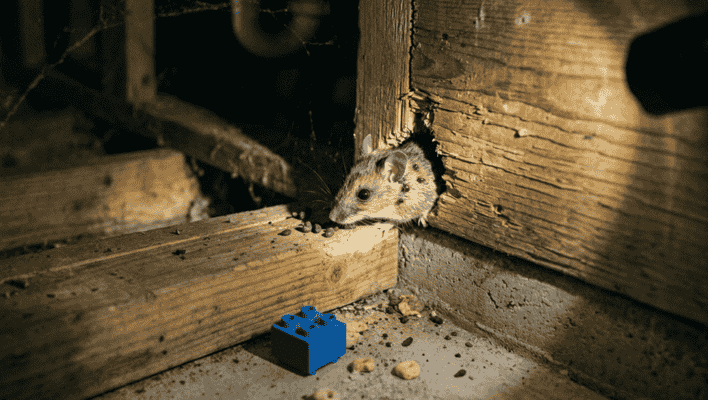
When people think of rodents, they usually think of chewed wires and gnawed food packaging. Those are real concerns, but the health dimension is what rarely gets discussed openly.
Rodents can transmit diseases like hantavirus, leptospirosis, and salmonella through their droppings, urine, and saliva. In Colorado specifically, the deer mouse is a known carrier of hantavirus, a potentially fatal respiratory illness. Hantavirus, which can be carried by deer mice, is a concern in Colorado, and diseases carried by rodents can also be spread to humans indirectly, through ticks, mites, or fleas that have fed on an infected rodent.
This secondary transmission pathway is something most homeowners never consider. A rodent infestation does not just bring rodents into your home. Rodents bring other pests including fleas, mites, ticks, and lice indoors, and contaminate food with feces that can transmit Salmonella and Hantavirus.
Fort Collins residents who hike the Poudre Canyon Trail, visit Horsetooth Reservoir, or simply spend time outdoors are already at some baseline exposure to ticks. When those same parasites enter the home by hitching a ride on rodents, the risk escalates significantly. Tick borne diseases of concern in Colorado include Babesiosis, Colorado Tick Fever, Human Granulocytic Anaplasmosis, Lyme Disease, Relapsing Fever, and Rocky Mountain Spotted Fever.
Beyond disease transmission, the presence of rodents in a home can also lead to increased anxiety and stress among residents, a mental health dimension that often gets overlooked entirely in conversations about pest control.
Cockroaches: A Respiratory Threat Hiding in Plain Sight
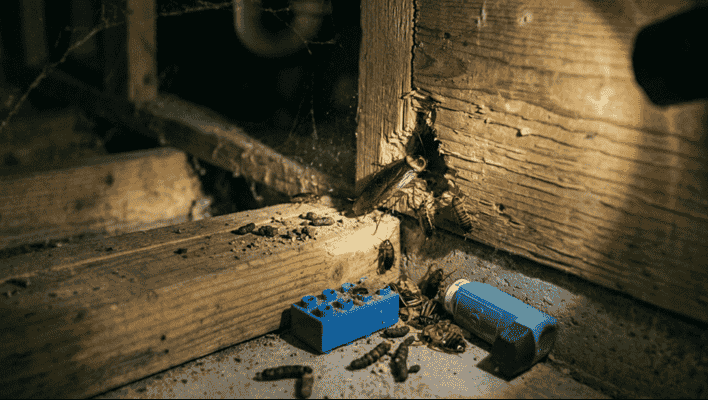
Cockroaches carry a reputation for being unsanitary, but the actual health threat they pose runs much deeper than dirty kitchens. Cockroaches spread 33 kinds of bacteria, six parasitic worms, and more than seven other types of human pathogens. Cockroach droppings and shed skins lead to allergen accumulation that can trigger asthma attacks, especially in children.
The National Institute of Environmental Health Sciences reports that one in five children in the United States have severe sensitivities to cockroach allergens, which increase the severity of asthma symptoms. These allergens are most commonly introduced in homes through cockroach saliva, droppings, and the decomposing bodies of these pests. Cockroaches can also carry bacteria such as E. coli and Salmonella on their bodies, which can contaminate food, cooking equipment, and food surfaces.
For families in Fort Collins with children who have respiratory conditions, an untreated cockroach infestation is not merely inconvenient. It is a genuine clinical risk factor.
Cockroaches are less common in Colorado due to its dry climate, but 2 to 4 percent of homes still report infestations, and these pests spread bacteria like Salmonella and allergens which can trigger asthma in up to 20 percent of affected households. That number might sound small until you consider how difficult cockroaches are to detect and how rapidly German cockroaches in particular reproduce once they establish a foothold inside a structure.
Cockroach egg capsules, known as oothecae, are often found hidden in dark, secluded areas. The presence of oothecae suggests that cockroaches are actively reproducing in the home and that the infestation is likely to worsen if left untreated.
Bed Bugs: The Psychological and Physical Toll
Bed bugs do not transmit disease the way rodents or cockroaches do, but their health impact is real and often underestimated. Bed bugs can trigger allergic reactions and secondary skin infections due to scratching. The psychological impact of a bed bug infestation can lead to sleep deprivation and anxiety.
Chronic sleep disruption, which is a near universal consequence of an active bed bug infestation, has documented downstream effects on immune function, cardiovascular health, cognitive performance, and emotional regulation. For families with young children or elderly members, the cumulative toll of weeks or months of poor sleep is not trivial.
The other issue with bed bugs in Fort Collins is how easily they travel. College students moving in and out of CSU dormitories, Airbnb turnover, and travel through Fort Collins Transit routes all create vectors for re introduction. Once inside a home, bed bugs hide with remarkable skill and reproduce steadily, making early professional intervention far more effective than any delayed response.
Mosquitoes and Stinging Insects: Seasonal but Serious
With the increased prevalence of West Nile Virus in the summer months, mosquitoes continue to be not only a summer nuisance pest but also a major health threat. According to the Centers for Disease Control, West Nile Virus infections have appeared across the United States in recent years, which makes avoiding mosquito nesting and breeding sites and eliminating standing water in or around the home even more important to the protection of public health.
Fort Collins has documented West Nile Virus activity in Larimer County during multiple recent seasons. Homeowners who ignore standing water in gutters, bird baths, decorative ponds, or HVAC drainage trays are essentially maintaining mosquito breeding infrastructure within their own property boundaries.
Stinging insects carry their own health risks that go beyond the pain of a sting. Stinging insects, including wasps and hornets, send more than half a million people to the emergency room every year. For individuals with venom allergies, a single sting from an untreated wasp nest on or near a Fort Collins home can be life threatening. Yellow jackets in particular become aggressive in late summer and early fall, precisely the time when Fort Collins residents are most likely to be outdoors.
The Indoor Air Quality Connection
One aspect of pest infestations that almost never appears in mainstream pest control conversations is the effect on indoor air quality. Fort Collins residents already monitor air quality carefully due to wildfire smoke events along the Front Range. What many do not realize is that pest activity inside the home can degrade indoor air in ways that mirror or compound those outdoor concerns.
Bugs, dust mites, and rodents in homes can make asthma and allergies worse, causing wheezing and coughing. Rodent urine and feces dry and become airborne particulate matter that circulates through HVAC systems. Cockroach shed skin and fecal fragments do the same. Over time, these biological contaminants accumulate in ductwork, carpeting, and insulation, creating a chronic low grade respiratory hazard that persists even after the visible pest population has been eliminated.
This is why professional remediation, including cleanup of contaminated areas, matters just as much as extermination itself.
Mental Health: The Hidden Toll Nobody Talks About
The constant interference of pests in daily life leads to immense emotional distress, making an infested home almost inhabitable. Research consistently links pest infestations, particularly bed bugs and rodents, to measurable increases in anxiety, depression, and feelings of helplessness. Fort Collins homeowners dealing with recurring infestations without professional support often report shame, social withdrawal, and reluctance to have guests over, all of which compound the isolation that poor mental health can bring.
This is not a trivial concern. The mental health dimension of untreated infestations is a real, documented public health issue that deserves to be part of the conversation about why prompt pest control matters.
Structural Damage That Feeds Health Hazards
Pest related structural damage creates secondary health risks that are easy to overlook. Rodents gnawing through electrical wiring create fire hazards. Termites and carpenter ants compromising load bearing wood structures create injury risk. Moisture damage created by pest entry points encourages mold growth, and mold exposure in Fort Collins homes is a well documented respiratory health concern given the region’s freeze thaw cycles that can expand existing gaps and cracks.In homes with crawl spaces, excess moisture beneath the structure can further contribute to mold growth and poor indoor air quality. Professional crawl space encapsulation can help control moisture and reduce these long-term risks.
Pests like rodents and wildlife can cause insulation damage, wiring hazards, and health concerns that far exceed the cost of professional service. When viewed through that lens, the cost of pest control is not an expense. It is an investment in avoiding far greater health and financial consequences.
What Fort Collins Homeowners Should Watch For
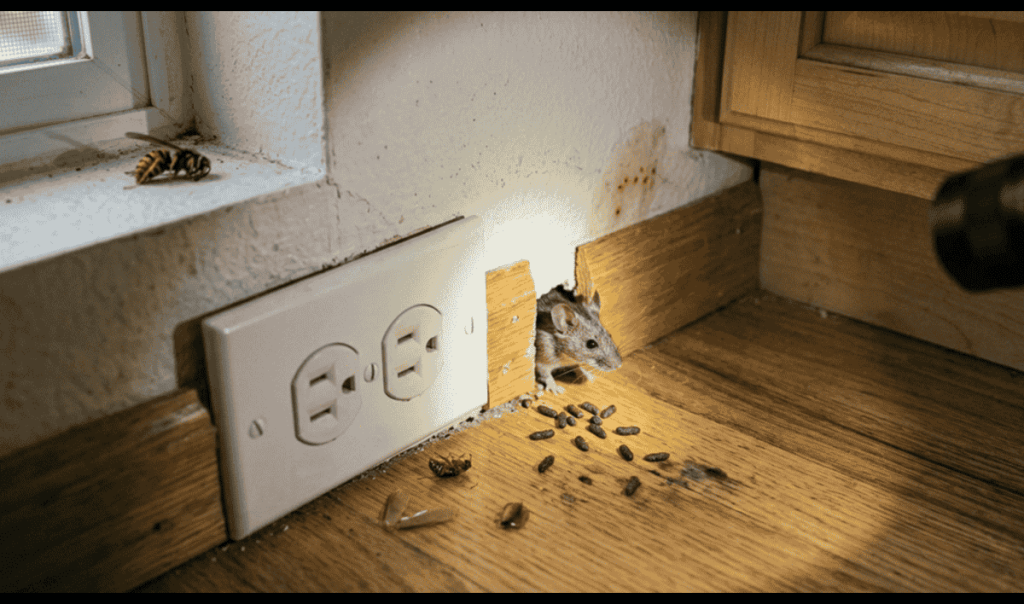
Knowing the warning signs of an active infestation is the first line of defense. Here are some things no homeowner in Northern Colorado should ignore:
Droppings or urine stains near baseboards, inside cabinets, or in pantry areas signal active rodent presence. Even small amounts indicate an established population given how frequently rodents defecate.
Scratching or scurrying sounds inside walls or ceilings at night are almost always rodents. Fort Collins homes near open space corridors along the Poudre River or Spring Creek Trail are particularly susceptible to deer mouse and house mouse incursion during colder months.
Musty or unexplained odors can indicate cockroach infestations, rodent nesting, or mold growth triggered by pest activity.
Unexplained bites or skin irritation appearing after sleep may indicate bed bugs, even when no bugs are visible.
Wasp or hornet activity near rooflines, eaves, or ground level near decks should be taken seriously rather than monitored casually.
Shed insect skins or wing fragments near windowsills or in corners often indicate cockroach activity or termite swarms.
Why DIY Approaches Fall Short
Store shelves in Fort Collins carry a wide range of sprays, baits, and traps that seem like reasonable first responses. The problem is that while DIY methods can help, professional pest control services offer more comprehensive solutions by identifying hidden infestations and applying targeted treatments.
Most over the counter products address the pests you can see. They do nothing about the colony, nest, or population living in areas you cannot access. Cockroach bait placed near a kitchen cabinet does not reach a nest inside a wall cavity. A snap trap near the pantry does not address the entry points through which rodents are entering from the exterior. Without sealing those entry points and eliminating the nesting environment, populations rebuild rapidly.
Professional pest control in Fort Collins operates differently. Fort Collins pest control focuses on preventing, removing, and managing common household pests and nuisance wildlife. Professional services identify pest entry points, eliminate active infestations, and implement long-term prevention strategies designed for the region’s seasonal shifts, protecting both property and health year round.
How Often Should Fort Collins Homes Be Treated?
Due to Colorado’s diverse climate, it is recommended to schedule four pest control treatments per year to address seasonal pest activity effectively. This quarterly approach aligns treatments with the seasonal shifts that drive different pest populations, rodents in fall and winter, ants and spiders in spring, mosquitoes and stinging insects through summer, and overwintering insects in early fall.
Reactive pest control, calling a professional only after a visible infestation has taken hold, is always more expensive and more disruptive than preventive service. By the time most homeowners notice a problem, the infestation has often been established for weeks or months.
Protecting Your Family Starts with Awareness
The health risks of untreated pest infestations in Fort Collins homes are real, measurable, and preventable. From Hantavirus carried by deer mice to the respiratory allergens produced by cockroach populations, from the sleep disruption of bed bugs to the venom risks of stinging insects, the consequences of doing nothing extend well beyond property damage.
Fort Collins residents benefit enormously from the outdoor lifestyle the city offers, from Horsetooth Mountain Open Space to the Poudre River Trail. That same proximity to natural habitats means pests are a persistent and seasonal reality of life in Northern Colorado, not an occasional surprise. Treating your home with the same proactive care you give your vehicle or your health is simply good sense.
If you have noticed any of the warning signs discussed here, or if it has been longer than a season since your last professional inspection, now is the right time to act. For residents looking for trusted pest control Fort Collins CO professionals who understand the unique pressures of the Northern Colorado environment, working with a locally knowledgeable team is always going to produce better outcomes than a generic national approach.
Your home should be a place of safety and rest. Keeping it that way means staying ahead of the pests that would make it otherwise.